All Categories
Featured
Important Tips for Picking a 2026 Hail Remediation Partner
Table of Contents

The Digital Footprint of Automotive Worth in the local market
Car ownership in 2026 is as much about handling data as it is about keeping mechanical systems. Each time a vehicle goes into a repair work center, a digital trail starts. For a lot of owners in the region, the main issue after a small mishap is not just the aesthetic damage, however how that damage will search a vehicle history report. A single entry for "mishap" or "structural repair work" can shave thousands of dollars off the resale worth, regardless of how well the work was carried out. This truth has moved the focus towards repair techniques that keep the integrity of the lorry history without sacrificing the quality of the surface.
The increase of high-resolution data aggregation in 2026 means that even little insurance claims are logged with high uniqueness. When a standard body store deals with a dent, the process typically includes sanding, specialized fillers, and fresh paint. Since these shops frequently work straight through insurance networks, the repair work is recorded and shown major history databases. Prospective purchasers viewing these reports often can not compare a minor door ding and a more major accident. Using Paintless Dent Repair Work (PDR) has actually emerged as a method for those aiming to keep their records as tidy as possible.
Insurance Reporting and the 2026 Resale Market
When a lorry owner in the surrounding area selects to file an insurance coverage claim for a small dent, they are essentially trading a short-term expense conserving for a long-lasting loss in equity. In 2026, the pre-owned vehicle market relies heavily on automated evaluation tools that scan history reports for any warnings. A car with "small damage reported" is frequently strained of search results page for exceptional buyers. Since PDR is frequently performed at a price point below most insurance coverage deductibles, many owners pay out-of-pocket. This private transaction keeps the occurrence off the radar of data debt collection agency.
Performance in upkeep is a trademark of contemporary car care. By selecting specialized techniques, owners guarantee that their 2026 designs stay in the "Grade A" category for future trade-ins. The worth of Repair Mistake Prevention has actually become a focal point for those who understand that a clean history is just as essential as a clean engine. When no insurance claim is filed and no paint is applied, the automobile successfully retains its status as "initial factory condition."
Maintaining Factory Paint and Structural Integrity
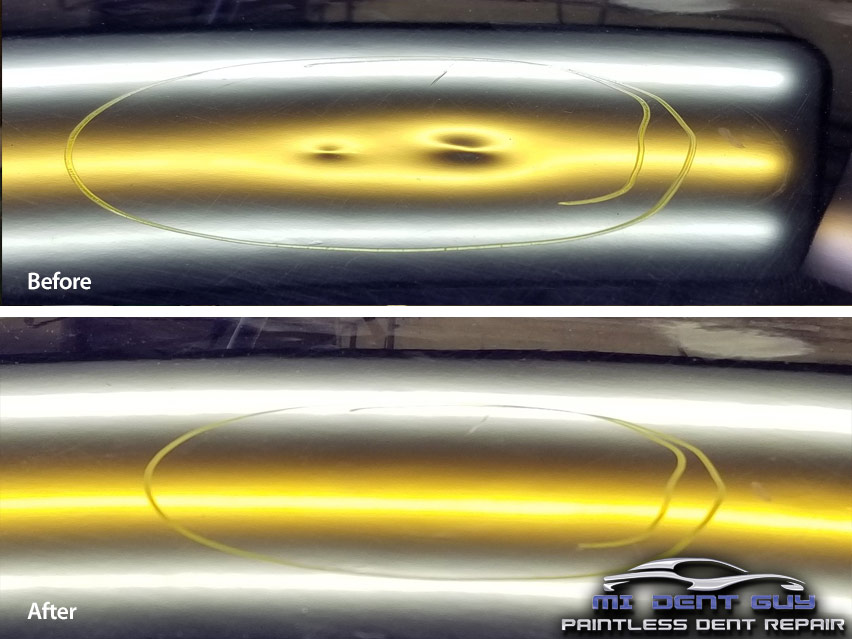
The chemistry of automotive paint has actually evolved significantly by 2026. Modern clear coats are thinner and more intricate, created for aerodynamics and environmental sustainability rather than heavy layering. Traditional repairs that require repainting a panel frequently result in a small mismatch in texture or color, which can be discovered by electronic paint depth gauges utilized by professional inspectors. PDR avoids this completely by rubbing the initial metal back into place from behind the panel. This procedure preserves the factory-baked finish, which is even more durable than any secondary paint application.
Preservation of the original surface is not simply about appearances. In the context of a 2026 car history report, the lack of paintwork indicates that the vehicle has not suffered considerable trauma. High-end purchasers typically search for constant paint thickness across all panels. If a history report shows no accidents, but an inspector finds proof of repainting, it produces a "transparency space" that can mess up a sale. Counting on Repair Mistake Prevention ensures that the physical reality of the cars and truck matches the tidy digital record offered to the buyer.
The Function of Advanced Chauffeur Help Systems (ADAS)
By 2026, almost every automobile on the roadway in the local area is geared up with a suite of sensors, cameras, and radar units. A lot of these components are located behind the outside panels. Traditional body work that includes heat or heavy fillers can hinder the calibration of these sensitive systems. A repair work that needs a sensor recalibration typically sets off a diagnostic report that discovers its way into the vehicle's irreversible service history. PDR service technicians utilize specialized tools to work around these internal elements, often preventing the requirement to disconnect or reset the car's electronic brain.
This technical precision is a major advantage for customer advocacy. When a repair work can be finished without invasive teardowns, the risk of secondary problems-- like rattles from loose clips or sensing unit malfunctions-- is greatly lowered. Keeping the repair work basic and localized keeps the automobile's "health report" looking excellent. In a world where 2026 vehicles are essentially computer systems on wheels, avoiding unnecessary electronic disturbance is a wise move for any owner.
Openness and the Principles of Non-Reported Repair Works
Some might wonder if preventing a history report entry is ethical. In the vehicle market, the difference lies in the nature of the repair work. PDR is not a "cover-up"; it is a repair of the original material. Unlike fillers that conceal damage, PDR eliminates the damage. Due to the fact that the metal is gone back to its factory shape and the paint stays initial, there is no structural or security compromise to report. It is an irreversible repair that leaves the car in the same condition it remained in before the dent occurred.
For those in the local community, this distinction is important. Consumer supporters recommend that history reports should be used to track significant events that impact the safety or durability of the car. Minor cosmetic dings do not fall into this classification, yet the present reporting systems typically treat them with equal weight. Using PDR allows the owner to keep the lorry correctly without being unfairly punished by an algorithm that does not comprehend the distinction between a grocery cart bump and a minor car accident.
Long-Term Value Protection in 2026
As the 2026 model year advances, the information show that cars with flawless histories command a premium of 10% to 15% over those with even one "small" entry. This gap is expected to broaden as vehicle history data ends up being more incorporated into every aspect of the used automobile market. Owners who take a proactive technique to damage management are essentially safeguarding their future savings account. The choice of repair method today figures out the trade-in deal of tomorrow.

Picking a repair work path that respects both the physical and digital elements of the vehicle is the gold standard for modern car care. By bypassing the standard body shop cycle for minor dings, owners in the region keep their alternatives open and their vehicle's reputation intact. PDR is not just a tool for fixing metal; it is a tool for protecting the narrative of a cars and truck's life. In a data-driven market, a clean story is the most valuable possession a vehicle can have.

Table of Contents
Latest Posts
Your Lease Is Ending: Is That Dents Worth Dealing With Now?
Important Tips for Picking a 2026 Hail Remediation Partner

Why PDR is the Ultimate Insurance Against History Report Dings
Latest Posts
Your Lease Is Ending: Is That Dents Worth Dealing With Now?
Important Tips for Picking a 2026 Hail Remediation Partner
Why PDR is the Ultimate Insurance Against History Report Dings